Pediatric Orthodontist Muscat | Best Kids Braces & Invisalign
Ensure your child’s jaw growth and development are on the right track. Discover affordable kids braces, clear aligners, and expert interceptive treatments designed to build lifelong, confident smiles.
Every parent loves to see their child smile. But what happens when those emerging permanent teeth look crowded, misaligned, or the upper and lower jaws just don’t seem to fit together correctly? The anxiety is natural. You might wonder: “Are braces inevitable? Is it too early to worry? Will this affect their confidence at school?” The truth is, waiting until your child is a teenager to evaluate their oral health might mean missing a critical window of opportunity. Navigating the world of malocclusion, baby teeth vs permanent teeth, and smile correction doesn’t have to be overwhelming. When you choose a specialized pediatric orthodontist in Muscat, you are not just fixing teeth; you are actively guiding your child’s facial growth to prevent complex, painful, and expensive dental issues down the road.
Why Early Orthodontic Evaluation Matters for Your Child
When we talk about pediatric dentistry and orthodontic appliances, timing is absolutely everything. Many parents mistakenly believe that they should wait until all baby teeth have fallen out before considering an orthodontic evaluation. However, modern dental science and oral health guidelines strongly suggest otherwise. Early orthodontic treatment for children in Muscat focuses on intercepting problems before they fully develop, utilizing the natural jaw growth and development of the child.
The concept of early evaluation isn’t just about ensuring straight teeth; it is fundamentally about assessing the foundation. Just as a builder wouldn’t construct a house on a misaligned foundation, an orthodontist evaluates the skeletal structure of a child’s mouth. If the upper jaw is too narrow, or if the lower jaw is growing too slowly (or too quickly), waiting until the teenage years means the bones have already fused. Correcting these skeletal discrepancies later often requires jaw surgery or the extraction of healthy permanent teeth. Early evaluation prevents this by using gentle, growth-modifying appliances.
The Best Age for a First Orthodontic Visit
If you are wondering exactly when to bring your child in, the golden rule is age 7. According to the globally recognized American Association of Orthodontists (AAO), every child should have their first early orthodontic evaluation no later than age 7. By this age, children typically have a mix of baby teeth and permanent teeth. This mixed dentition phase is a goldmine of information for a specialist. The back molars have usually erupted, establishing the back bite. This allows the orthodontist to evaluate side-to-side and front-to-back tooth relationships, checking for malocclusion (a bad bite), open bites, overbites, or gummy smiles.
🎬 Real-World Example: The Power of Interceptive Treatment
Consider a 7-year-old patient from Al Khuwair who visited a top-rated children’s orthodontist clinic. The parents noticed she had difficulty biting into sandwiches and often breathed through her mouth. A simple evaluation revealed a severe crossbite—her upper jaw was too narrow. By using a Palatal Expander (a simple interceptive appliance) for just six months, the orthodontist widened her upper jaw while the bone was still malleable. This prevented asymmetrical facial growth, improved her breathing airways, and created enough room for her permanent teeth to erupt naturally, saving the parents thousands of Omani Rials in future complex jaw surgeries.
Signs Your Child Needs Interceptive Orthodontics
As a parent, you are the first line of defense in monitoring your child’s oral health. While regular check-ups are essential, there are specific physical and behavioral signs that indicate an immediate need for a pediatric jaw alignment treatment in Muscat. Interceptive treatment (Phase 1 Orthodontics) is specifically designed to correct these foundational issues early.
✅ Actionable Tip for Parents
Do a “Smile and Swallow” test at home. Ask your child to bite down naturally and swallow. If you notice their tongue thrusting forward against their front teeth, or if their upper teeth sit completely inside their lower teeth (underbite), it is time to schedule a consultation. These functional habits can drastically alter facial bone structure if left unaddressed.
To make it easier to identify potential problems, review the table below. It outlines common symptoms and the corresponding orthodontic issues they may represent.
Observable Symptom / Habit
Potential Orthodontic Issue
Why Early Intervention is Critical
Prolonged Thumb Sucking (past age 4)
Open Bite / Protruding Front Teeth
Alters the shape of the roof of the mouth and pushes teeth outward, making them vulnerable to trauma.
Mouth Breathing or Snoring
Narrow Palate / Airway Issues
Can restrict facial development and cause an elongated face profile. Expanding the jaw improves airway volume.
Early or Late Loss of Baby Teeth
Severe Crowding / Impacted Teeth
If baby teeth are lost too early, adjacent teeth drift into the empty space, blocking permanent teeth from erupting.
Jaw Shifting or Clicking while chewing
Crossbite / Jaw Asymmetry
Causes uneven wear on enamel and can lead to permanent facial asymmetry if the jaw grows incorrectly.
Difficulty Biting or Chewing Food
Malocclusion (Bad Bite)
Impacts nutrition and digestion. A proper bite correction ensures teeth meet efficiently for chewing.
Top Treatment Options for Kids and Teens in Muscat
If the evaluation reveals that your child needs smile correction, the next step is exploring the right orthodontic appliances. The field of orthodontics has advanced remarkably. Gone are the days of oversized, painful headgears. Today, an affordable pediatric orthodontist in Muscat offers a wide array of comfortable, highly efficient, and aesthetically pleasing options tailored specifically for children and teenagers. Let’s explore the most effective treatments available.
Habit Breaking Appliances and Space Maintainers
Before we even discuss braces, we must address early interventions. If a child loses a baby tooth prematurely due to decay or an accident, the space left behind is at high risk of closing up. Space maintainers for kids’ teeth in Muscat are simple, custom-made devices (either fixed or removable) that keep the space open until the permanent tooth is ready to emerge naturally. This single device can eliminate the need for years of braces later!
Similarly, for children struggling with thumb sucking dental habits, habit-breaking appliances are utilized. These gentle wire structures sit behind the upper teeth, making it uncomfortable for the child to suck their thumb or thrust their tongue, effectively stopping the habit in a matter of weeks and allowing the front teeth to settle back into their proper position naturally.
Crucial Note: Always ensure that before starting any form of orthodontics, your child’s teeth are perfectly clean and cavity-free. We highly recommend visiting the best pediatric dentist in muscat to establish an impeccable oral hygiene routine, address any hidden cavities, and prepare the mouth for a healthy orthodontic journey.
Traditional Metal Braces: The Reliable Standard
When most people think of braces types, they envision traditional metal braces. Despite the rise of new technologies, metal braces remain the most common, robust, and highly effective treatment for complex bite corrections. Modern pediatric dental braces are smaller, flatter, and far more comfortable than older versions.
Children often love metal braces because they can customize the colorful elastic bands at every visit, turning their treatment into an expression of their personality. From an orthodontic perspective, metal brackets give the specialist precise control to move teeth in tiny increments, making them ideal for severe crowding, severe malocclusion, and complex root realignments. Furthermore, they are generally the most affordable kids braces in Muscat, Oman.
Ceramic Braces: The Discreet Alternative
For older children and early teens who might feel self-conscious about metal brackets, ceramic braces offer a fantastic alternative. These function exactly like traditional metal braces, but the brackets are made from a clear or tooth-colored ceramic material that blends seamlessly with the natural enamel. While they are slightly more fragile and require diligent oral hygiene to prevent the clear elastic ties from staining, they are highly popular among teenagers seeking invisible braces solutions without committing to removable aligners.
Invisalign Teen: Is It the Right Choice?
The ultimate revolution in teenage orthodontics is clear aligner therapy. Finding top Invisalign teen providers in Muscat has become a priority for many parents. Invisalign uses a series of custom-made, virtually invisible plastic trays to gently shift teeth into place.
The benefits of clear aligners for kids in Muscat are immense:
No Dietary Restrictions: Since the aligners are removed during meals, teens can eat apples, popcorn, and chewy foods without fear of breaking brackets.
Superior Oral Hygiene: Brushing and flossing are done normally without navigating wires, significantly reducing the risk of plaque buildup and white spot lesions.
Comfort and Aesthetics: No sharp wires means no poked cheeks or lip sores, and the transparent nature ensures maximum confidence during school photos and social events.
However, Invisalign requires compliance. The aligners must be worn 20 to 22 hours a day. Invisalign Teen specifically includes subtle “compliance indicators” (small blue dots that fade with wear time) so parents and the orthodontist can monitor if the teen is actually wearing them as prescribed.
🎬 Real-World Example: The Teenage Musician
Ahmed, a 14-year-old saxophone player in a Muscat school band, needed severe bite correction. Traditional braces would have severely impacted his ability to play his instrument due to lip pressure against metal brackets. By opting for a specialized teen braces clinic offering Invisalign, he was able to remove his aligners during band practice and performances. He achieved perfectly straight teeth in 18 months without sacrificing his passion for music.
How to Choose the Best Pediatric Orthodontist in Oman
Not all dentists are orthodontists. In fact, an orthodontist completes dental school and then undertakes an additional two to three years of rigorous, full-time specialized training specifically in tooth movement and jaw function. When looking for child teeth alignment specialists in Oman, you must look for specific credentials to ensure the highest standard of E-E-A-T (Expertise, Experience, Authoritativeness, and Trustworthiness).
Essential Qualifications and E-E-A-T Credentials
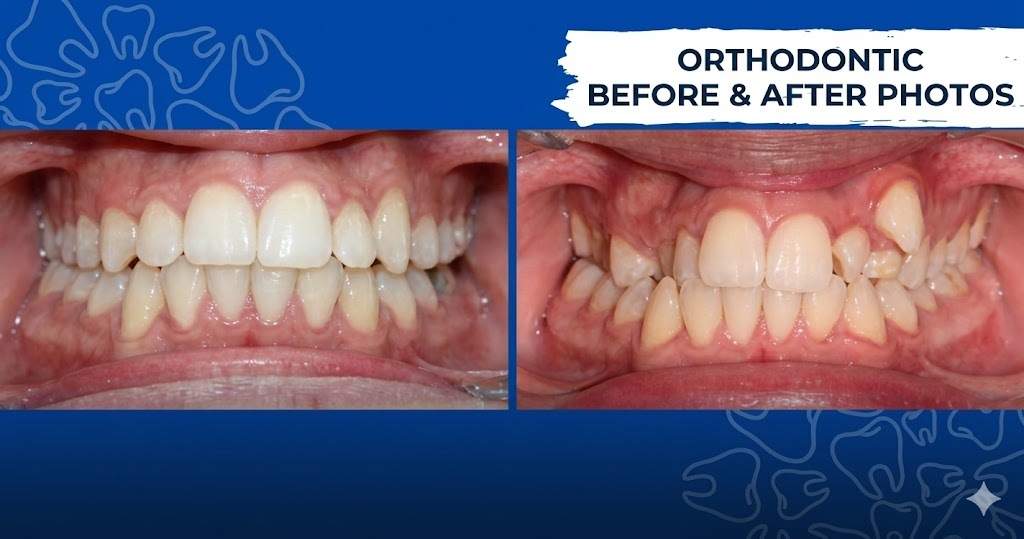
When browsing a pediatric orthodontist’s reviews in Muscat, look beyond the star rating. Check their professional biography. Are they a registered specialist with the Oman Dental Board? Have they completed an accredited orthodontic residency? Do they have a proven portfolio of before-and-after cases of children treated during the mixed dentition phase? A true specialist will have no hesitation in discussing their qualifications and showing you detailed case studies similar to your child’s condition.
The Importance of a Child-Friendly Environment
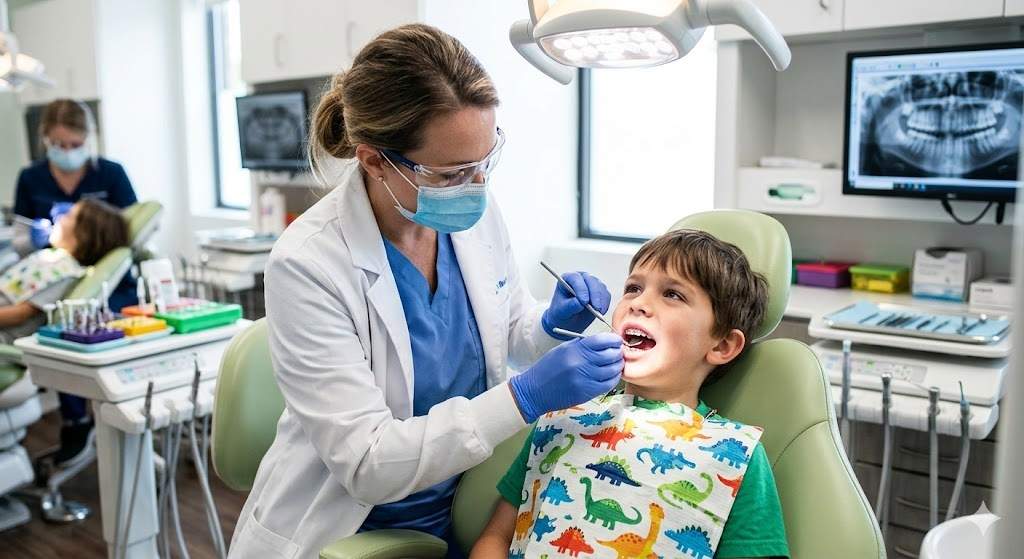
The atmosphere of the clinic plays a monumental role in the success of the treatment. A child-friendly orthodontist clinic in Muscat is designed to reduce anxiety. From the waiting room layout to the way the staff speaks to the young patients, the environment should foster trust. Orthodontic treatment is a multi-year relationship. Your child will be visiting the clinic every 4 to 8 weeks. If the clinical team is patient, uses positive reinforcement, and explains procedures in a fun, non-threatening manner, your child will be cooperative and enthusiastic about their smile journey.
The Journey: What to Expect During the First Consultation
Walking into a Muscat pediatric orthodontics consultation for the first time should be an exciting, informative experience, not a scary one. Here is exactly what happens during that initial visit:
First, the clinical team will take a series of diagnostic records. This typically includes digital photographs of your child’s face and teeth, and panoramic X-rays. Modern clinics use low-radiation digital imaging and 3D intraoral scanners (eliminating those old, messy, and gag-inducing putty impressions!).
Next, the specialist will perform a thorough clinical examination. They will look at the jaw joints, check for asymmetric growth, assess airway patency, and evaluate how the upper and lower teeth meet. Following the exam, you will sit down for a detailed consultation. The doctor will explain exactly what is happening in your child’s mouth, present the diagnostic images on a screen, and outline a customized treatment plan. This plan will include the recommended timeline, the types of braces or aligners suitable, and the financial breakdown.
✅ Actionable Tip for the First Visit
Prepare a list of questions before you arrive. Ask specifically: “Will my child need any teeth extracted?”, “Is early phase orthodontics necessary now, or can we wait?”, and “What happens if we delay treatment?” A transparent specialist will welcome these questions and provide clear, evidence-based answers.
Understanding the Cost of Pediatric Orthodontics in Muscat
The pediatric orthodontic cost is often a significant consideration for families. It is important to view this not just as an expense, but as a lifetime investment in your child’s physical health, self-esteem, and future oral stability. The cost of pediatric dental braces in Muscat varies based on several factors: the complexity of the malocclusion, the duration of the treatment, and the specific materials chosen (e.g., traditional metal vs. Invisalign).
While exact figures depend on the individual case, interceptive orthodontics (Phase 1) is generally less expensive than comprehensive teenage braces because it is targeted and shorter in duration (usually 9 to 12 months). Ironically, investing in early phase orthodontics in Muscat, Oman, often saves money in the long run. By correcting jaw widths and creating space early, you dramatically reduce the time needed in full braces later, and you entirely eliminate the need for incredibly expensive orthognathic (jaw) surgeries or complex impaction extractions. Furthermore, top clinics offer flexible, interest-free monthly payment plans to ensure that every child has access to top-tier orthodontic care without placing an immediate financial burden on the family.
If you ever experience a pediatric orthodontic emergency in Muscat—like a broken bracket, a poking wire, or a lost aligner—knowing you have chosen a responsive, local specialist who offers emergency appointments will give you immense peace of mind.
Frequently Asked Questions (FAQs)
❓ At what age should my child see an orthodontist in Muscat?
The ideal age is 7 years old. By this age, the first permanent molars have erupted, allowing the specialist to evaluate the child’s bite (front-to-back and side-to-side relationships) and check for potential jaw growth issues or severe crowding before they become complex problems.
❓ Does getting braces hurt my child?
The application of braces is completely painless—no needles or drills are used! However, for the first few days after getting braces or after an adjustment, your child’s teeth will feel sore and tender to pressure. This is a normal sign that the teeth are starting to move. Eating soft foods and taking over-the-counter pain relievers easily manages this mild discomfort.
❓ Which is better for my teenager: traditional braces or Invisalign?
It depends on their lifestyle and discipline. Invisalign is fantastic because it’s invisible and allows for better oral hygiene and no diet restrictions. However, it requires the teen to be responsible enough to wear the aligners 22 hours a day. If you suspect your teen will constantly lose them or forget to wear them, traditional metal or ceramic braces are the safer, foolproof option.
❓ How long will my child need to wear braces?
Treatment times vary widely based on the severity of the malocclusion. Minor corrections might take 12 months, while complex bite issues can take 24 to 30 months. Your orthodontist will provide a precise timeline during your initial consultation.
❓ What are space maintainers and why are they used?
If a baby tooth is lost prematurely due to decay or an accident, a space maintainer is a small metal appliance glued to an adjacent tooth to hold the gap open. This prevents other teeth from shifting into the empty space, ensuring the permanent tooth underneath has room to erupt properly.
Ready to Give Your Child the Gift of a Perfect Smile?
Don’t wait until minor alignment issues turn into complex dental problems. Early evaluation is the key to faster, easier, and more affordable treatments. Let our top-rated child specialists in Muscat guide your child’s smile journey with expertise and compassion.