
8 Common Dental Implant Mistakes in Muscat to Skip
Achieving the perfect smile is an investment in your health and confidence. Learn how to protect your investment by avoiding these critical errors before and after surgery.

Imagine spending your hard-earned money and dedicating months to a smile restoration journey, only to face complications, infections, or implant failure. In the vibrant city of Muscat, the demand for top-tier oral healthcare is booming. While finding a top-rated dental implant in muscat is easier than ever, patients still make critical missteps that jeopardize their results. Whether you are seeking a single tooth implant procedure in Muscat or exploring full mouth restoration, avoiding these specific pitfalls is the secret to a lifetime of confident smiles.
Why This Guide Matters
Dental surgery is a major medical and financial decision. We have compiled the most comprehensive guide to help you navigate the dental implant procedure Muscat guide safely, ensuring successful osseointegration and long-term oral health.
1. Ignoring Pre-Existing Oral Health Conditions
One of the most catastrophic dental implant mistakes in Muscat is rushing into the surgical phase while ignoring underlying oral health issues. Dental implants require a pristine, healthy environment to anchor properly. If a patient suffers from active periodontal disease (gum disease) or severe tooth decay in adjacent teeth, the bacteria can quickly migrate to the surgical site.
This leads to a condition known as peri-implantitis—an infection that destroys the bone supporting the implant, inevitably causing it to fail. The foundation must be cured before any new structures are built. A skilled periodontist or oral surgeon will always prioritize treating existing infections.
🎬 Real Patient Example from a Muscat Clinic
Ahmed, a 45-year-old resident of Al Khuwair, wanted a quick fix for a missing molar. He insisted on immediate placement despite his dentist warning him about mild gingivitis. Ahmed chose a clinic that skipped the gum treatment to save time. Three months later, the implant failed to integrate due to bacterial interference, doubling his total expenses and recovery time.
✅ Actionable Tip for Patients
- Undergo a comprehensive periodontal exam before scheduling surgery.
- Ensure any cavities or gum inflammation are fully treated.
- Wondering if your current oral health qualifies you? Read our detailed guide: Am I a Candidate for Implants?
2. Prioritizing Price Over the Dentist's Expertise
We all love a good deal, but bargaining with your health is a dangerous game. Searching endlessly for "cheap" or "discount" options often leads patients to unqualified practitioners or clinics using subpar, non-medical-grade materials. The expertise of the oral surgeon is the single most critical factor in the dental implant success rate in Muscat.
Implantology is a complex field combining art, biology, and engineering. A highly trained implant dentist understands the delicate anatomy of your jaw, the placement of nerves, and the exact angles required for perfect functional and aesthetic alignment. When you opt for deeply discounted services, you are likely sacrificing clinic hygiene, material quality, or the practitioner's experience.
| Bargain Clinic Approach | Premium Dental Expertise Approach |
|---|---|
| Uses generic, low-grade titanium alloys. | Uses highly biocompatible, pure titanium or zirconia. |
| Rushes consultation; no 3D CBCT scans. | Requires detailed 3D imaging for precise nerve mapping. |
| Hidden fees during the post-operative phase. | Transparent pricing with comprehensive aftercare included. |
✅ Actionable Tip for Patients
- Always research the dentist's credentials, specialization, and past patient reviews.
- Understand that the initial quote is an investment in longevity. To understand the true value and breakdown of pricing, explore the Cost of Dental Implants in Muscat.
2. Prioritizing Price Over the Dentist's Expertise
We all love a good deal, but bargaining with your health is a dangerous game. Searching endlessly for "cheap" or "discount" options often leads patients to unqualified practitioners or clinics using subpar, non-medical-grade materials. The expertise of the oral surgeon is the single most critical factor in the dental implant success rate in Muscat.
Implantology is a complex field combining art, biology, and engineering. A highly trained implant dentist understands the delicate anatomy of your jaw, the placement of nerves, and the exact angles required for perfect functional and aesthetic alignment. When you opt for deeply discounted services, you are likely sacrificing clinic hygiene, material quality, or the practitioner's experience.
| Bargain Clinic Approach | Premium Dental Expertise Approach |
|---|---|
| Uses generic, low-grade titanium alloys. | Uses highly biocompatible, pure titanium or zirconia. |
| Rushes consultation; no 3D CBCT scans. | Requires detailed 3D imaging for precise nerve mapping. |
| Hidden fees during the post-operative phase. | Transparent pricing with comprehensive aftercare included. |
✅ Actionable Tip for Patients
- Always research the dentist's credentials, specialization, and past patient reviews.
- Understand that the initial quote is an investment in longevity. To understand the true value and breakdown of pricing, explore the Cost of Dental Implants in Muscat.
3. Neglecting Bone Density and 3D Imaging
A dental implant is essentially an artificial tooth root that must fuse tightly with your jawbone in a biological process called osseointegration. If your jawbone lacks the necessary density, width, or height, the implant will not hold. This is akin to trying to plant a heavy tree in loose, shallow sand.
One of the most severe dental implant mistakes in Muscat is proceeding with surgery using only traditional 2D X-rays. Top-rated dental surgeons in Muscat insist on a 3D Cone Beam Computed Tomography (CBCT) scan. This scan provides a 360-degree view of your cranial anatomy, allowing the dentist to measure bone density accurately and map out the exact position of sinus cavities and facial nerves.
🎬 Real Patient Example from a Muscat Clinic
Sarah lost a tooth five years ago. Without realizing that bone resorption (bone loss) occurs naturally over time in the absence of a tooth root, she went to a clinic that relied on simple X-rays. During surgery, the dentist discovered insufficient bone, leading to a botched procedure. She later had to visit a specialist for an emergency bone graft before the implant could be safely placed.
✅ Actionable Tip for Patients
- Demand a 3D CBCT scan during your consultation.
- Ask your dentist explicitly: "Do I have enough bone density, or will I need a bone grafting procedure?"
- Verify the clinic's technology standards and ensure they use modern equipment for your safety.
4. Concealing Medical History and Medications
Your mouth is deeply connected to your systemic health. Failing to disclose your complete medical history to your implant dentist is a critical error. Certain conditions like uncontrolled diabetes, autoimmune diseases, or osteoporosis can drastically hinder the body's natural healing capabilities, increasing the risk of avoiding dental implant failure in Muscat.
Furthermore, medications such as blood thinners, immunosuppressants, or bisphosphonates (used for bone loss) can interfere with surgery and the osseointegration process. An honest, transparent conversation about your health ensures your dentist can tailor the surgical approach, adjust medications, or prescribe appropriate pre-operative antibiotics.
✅ Actionable Tip for Patients
- Bring a complete list of all prescriptions, over-the-counter medications, and supplements you are currently taking.
- Disclose your history of smoking or alcohol consumption, as these heavily impact vascular healing.
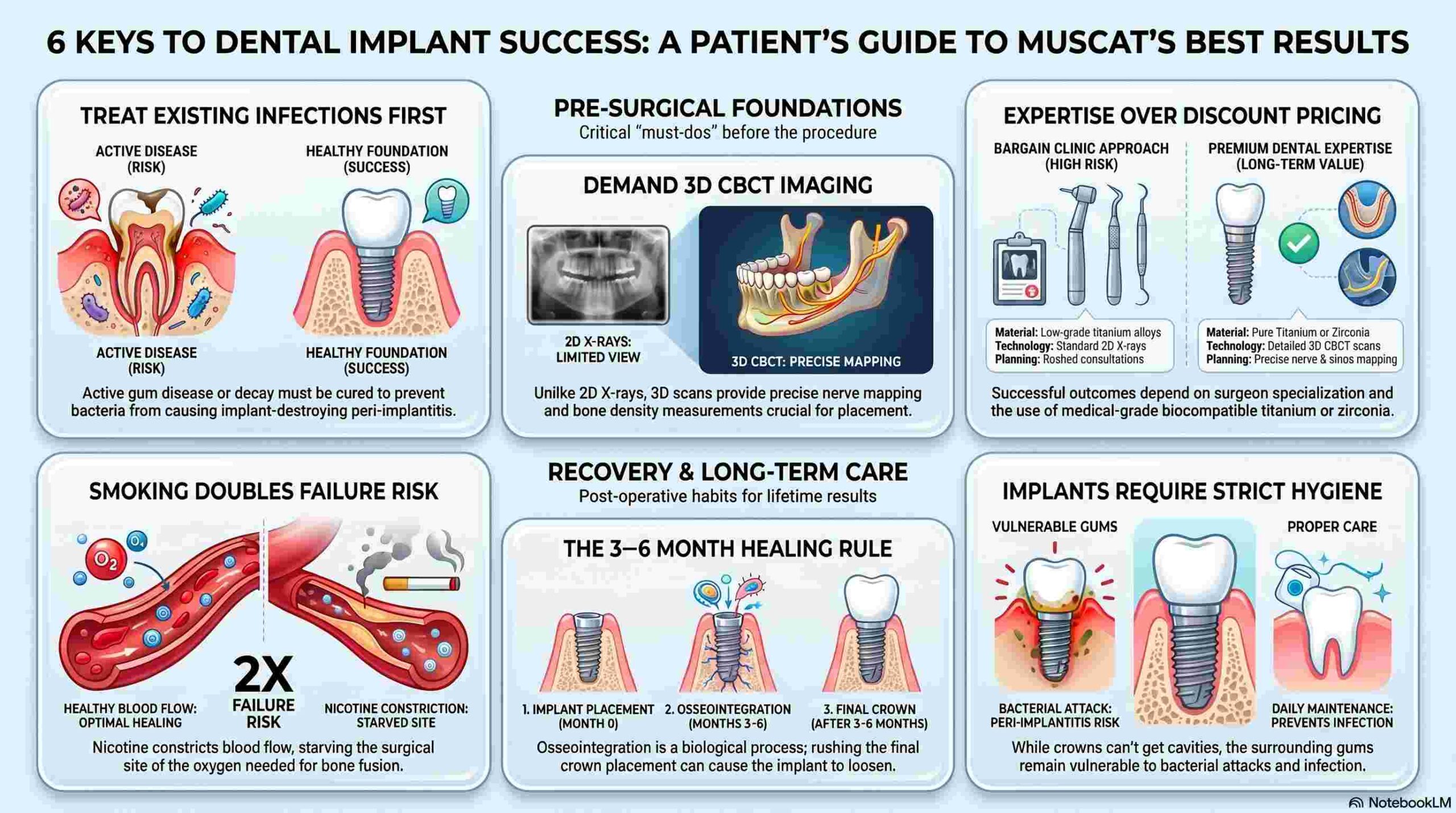
Figure 1: Comprehensive Infographic of Common Dental Implant Mistakes in Muscat
5. Continuing to Smoke Before and After Surgery
If there is one habit that single-handedly destroys dental implant success rates, it is smoking. Nicotine constricts blood vessels, significantly reducing the flow of oxygen and essential nutrients to the surgical site in your gums and jawbone. This lack of blood flow severely slows down healing and increases the risk of infection.
Smoking disrupts the vital osseointegration process. Studies consistently show that smokers experience an implant failure rate nearly twice as high as non-smokers. If you are serious about your smile restoration, treating this process with respect means halting tobacco use.
🎬 Real Patient Example from a Muscat Clinic
Khalid underwent a flawless single tooth implant procedure in Muscat. However, unable to manage his nicotine cravings, he resumed smoking just 48 hours post-surgery. The heat and chemicals caused the surgical site to open, leading to an agonizing infection and the eventual removal of the expensive implant abutment.
✅ Actionable Tip for Patients
- Commit to quitting smoking at least 2 to 4 weeks before the dental surgery.
- Maintain a smoke-free lifestyle for an absolute minimum of 8 weeks during the critical dental surgery recovery period.
- Consider nicotine replacement therapies (patches) if approved by your oral surgeon.
6. Misunderstanding the Healing Timeline
A beautiful, permanent smile takes time. One of the most common mistakes before getting dental implants is expecting a "one-day miracle" without understanding the biological reality. While "teeth in a day" procedures exist, they are for specific candidates and still require internal healing time.
Typically, after the titanium post is inserted into the jawbone, a period of 3 to 6 months is required for complete osseointegration. During this time, the bone literally grows around the threads of the implant, locking it firmly into place. Rushing your dentist to place the permanent dental crown too early can apply excessive chewing force on an unintegrated implant, causing it to loosen and fail.
✅ Actionable Tip for Patients
- Mentally prepare for a multi-stage process: Consultation -> Surgery -> Healing (3-6 months) -> Abutment placement -> Final Crown.
- Follow a soft-food diet exactly as prescribed during the initial healing weeks to avoid micromovements of the implant.
7. Slacking on Post-Operative Oral Hygiene
Some patients mistakenly believe that because an implant is artificial (usually titanium and porcelain), it doesn't require brushing or maintenance. This is a massive misconception. While the dental crown cannot get a cavity, the surrounding gum tissue is highly vulnerable to bacterial attack.
Long-term care for dental implants in Oman requires strict dedication. Plaque buildup around the implant base can trigger peri-implantitis. Consistent oral hygiene is non-negotiable if you want your implant to last a lifetime.
✅ Actionable Tip for Patients
- Brush twice daily using a soft-bristled toothbrush to avoid scratching the crown.
- Use a water flosser or specific implant floss to gently clean around the implant abutment.
- Schedule professional cleanings at a certified dental clinic accreditation in Muscat every 6 months.
- For scientific guidelines on maintaining oral hygiene around implants, refer to the American Dental Association (ADA) guidelines on implants.
8. Not Asking the Right Questions During Consultation
Your initial consultation is your interview with the dentist. Walking into the clinic passively and simply accepting whatever is recommended without asking probing questions is a mistake. You have the right to understand every detail of the dental implant process step-by-step Muscat.
A reputable, highly-trained implantologist will welcome your questions and take the time to educate you, ensuring you feel comfortable and confident under local anesthesia.
✅ Actionable Tip: Questions to Ask Your Implant Dentist in Muscat
- "How many implant procedures have you successfully performed?"
- "What brand and material of implants do you use, and do they have long-term clinical research backing them?"
- "What is included in the final cost? Are bone grafts, extractions, or temporary crowns extra?"
- "What happens if the implant fails? Is there a warranty or clinic policy?"
The Importance of Choosing the Right Implant Material
While we discussed finding the right dentist, understanding the materials going into your jaw is equally vital. The global standard for dental implants is Titanium due to its incredible biocompatibility—meaning the human body does not recognize it as a foreign object, allowing bone to fuse directly to it. However, for patients with specific metal allergies, Zirconia implants are emerging as a brilliant, holistic alternative.
Furthermore, the crown (the visible tooth part) must be crafted from high-quality porcelain or zirconia to mimic the light-reflecting properties of natural teeth. Relying on cheap acrylic temporary solutions for long-term wear is a recipe for aesthetic and functional disaster. When exploring affordable dental implants Muscat options, always ensure that affordability does not equate to cheap materials from unverified manufacturers.
🎥 Watch: Understanding the Dental Implant Procedure
Video Guide: A step-by-step visual walkthrough of how safe dental implant procedures are performed.
📚 Frequently Asked Questions (FAQ)
Are dental implants safe in Muscat clinics?
Absolutely! Muscat is home to world-class dental facilities equipped with cutting-edge technology like 3D CBCT scanners. As long as you choose a licensed clinic with positive implant dentistry Muscat patient reviews and highly experienced oral surgeons, the procedure is extremely safe and boasts a success rate of up to 98%.
Is the dental implant procedure painful?
Most patients are surprised to find that placing a dental implant is generally less painful than a tooth extraction. The procedure is performed under local anesthesia, ensuring you feel no pain during surgery. Mild soreness and swelling during the dental surgery recovery days are normal and easily managed with standard pain relievers prescribed by your doctor.
How long does a full mouth dental implants Muscat process take?
A full mouth restoration requires meticulous planning. While the actual surgery might take just one day, the entire process—including consultation, potential bone grafting, the 3 to 6 months of osseointegration, and the final fitting of customized dental bridges—can span anywhere from 4 to 8 months. Patience is key to a permanent, beautiful result.
Can I get an implant years after a tooth extraction?
Yes, you can! However, because bone density naturally decreases after a tooth is lost, you may require a bone graft or sinus lift to rebuild the foundation before the titanium post can be safely placed. Your dentist will evaluate this using a 3D scan during your initial consultation.
Ready to Reclaim Your Smile in Muscat?
Don't let these common mistakes hold you back from the confident, functional smile you deserve. Get a personalized, risk-free consultation with our top-rated implant experts today.
Book Your Consultation via WhatsAppFast replies • Direct connection with Muscat's top specialists
