Zirconia Crowns in Oman: Benefits & Cost
Stronger than porcelain, kinder to your gums than metal — here's what a zirconia crown actually does, what it costs in Muscat, and how to know if it's the right fit for your tooth.
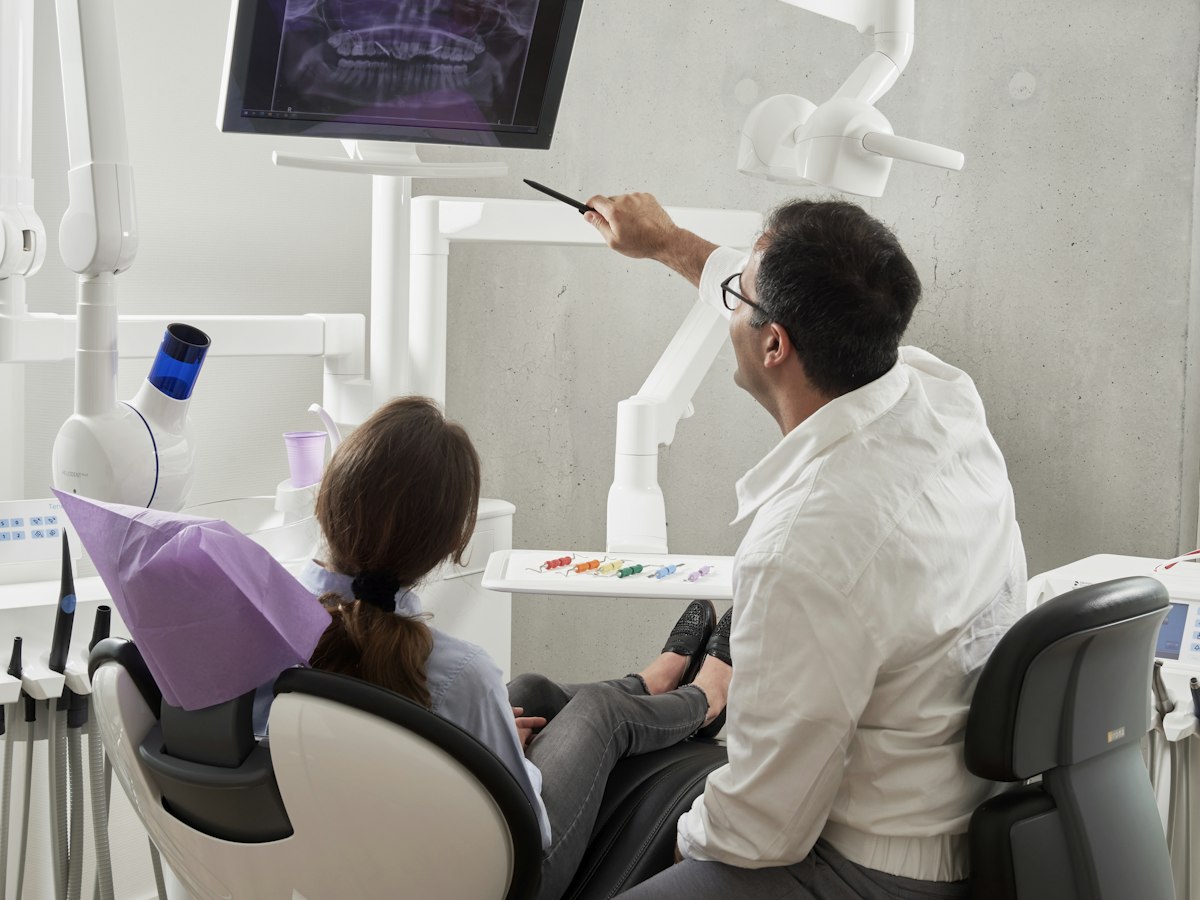
You bit down on something and felt a tooth flex in a way it shouldn't — or your dentist just told you that old filling is too large to hold up much longer, and it's time for something more permanent. Whatever brought you here, you've probably run into the same question everyone does at this stage: is a zirconia crown in Oman actually worth the higher price tag compared to the cheaper metal or porcelain options a clinic might quietly default to?
This guide walks through what zirconia crowns are made of, why so many Muscat dentists have shifted toward them, what they realistically cost in 2026, who's a good candidate, and exactly what to check before you commit to a provider. No inflated promises — just the practical picture you need before booking a consultation.
Wondering if a zirconia crown is right for your tooth?
Get matched with a certified restorative dentist in Muscat.
What Are Zirconia Crowns, and Why Muscat Dentists Are Switching to Them
A zirconia crown is a tooth-shaped cap made from zirconium dioxide, a dense ceramic material originally developed for industrial and medical applications before dentistry adopted it for its unusual combination of strength and tooth-like appearance. Unlike a metal crown, it contains no visible dark metal margin at the gumline. Unlike older all-porcelain crowns, it doesn't rely on a separate, chip-prone metal or ceramic substructure underneath.
Zirconia crowns in Oman have become the default recommendation at many cosmetic and restorative practices for one straightforward reason: they hold up to normal chewing forces significantly better than traditional porcelain-fused-to-metal (PFM) crowns, while still looking convincingly natural — especially when a dentist uses layered or high-translucency zirconia rather than older, more opaque bulk versions. This makes them a common companion procedure alongside Hollywood Smile in Oman treatment plans, where durability on the biting teeth matters just as much as appearance on the visible ones.
Zirconia vs Porcelain-Fused-to-Metal (PFM) Crowns
Patients researching zirconia crowns vs PFM crowns in Oman usually want one thing clarified: is the higher price actually justified, or is it mostly marketing? In most cases involving molars, premolars, or any tooth under heavy bite force, the difference is real and measurable.
| PFM Crown | Zirconia Crown | |
|---|---|---|
| Visible metal margin at gumline | Common over time as gums recede | None — fully ceramic |
| Chipping risk | Porcelain layer can chip off the metal base | Low, especially with monolithic zirconia |
| Strength under heavy bite force | Good, but weaker at the porcelain-metal junction | Very high — commonly used for molars and bridges |
| Biocompatibility / gum reaction | Occasional metal sensitivity in some patients | Very well tolerated, minimal known allergy reports |
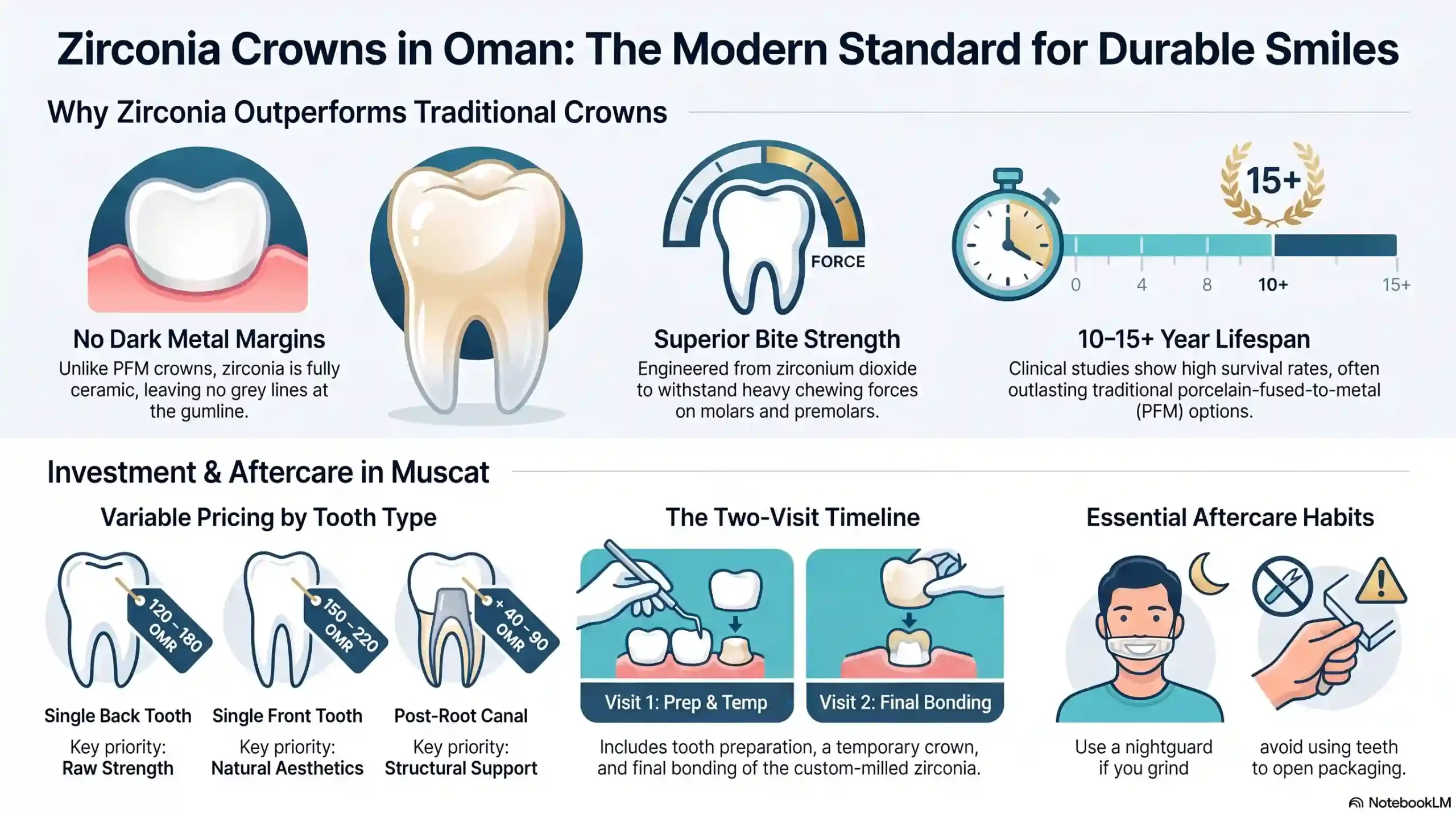
| Typical lifespan | 8–12 years | 10–15+ years with good care |
When Do You Actually Need a Crown, and Why Zirconia Specifically?
A crown becomes necessary when a tooth has lost too much of its natural structure for a filling to reliably hold — from a large cavity, a crack, heavy wear, or after a root canal that leaves the tooth more brittle. In these situations the crown isn't cosmetic first; it's protective, distributing bite force evenly so the remaining tooth doesn't fracture under normal chewing.
Zirconia has become the preferred material in most of these cases because it manages to satisfy two goals that used to be in tension: enough strength for back teeth carrying the heaviest bite force, and enough translucency for front teeth where appearance matters most. Crowns are also frequently planned alongside straightening work — if your bite or tooth alignment is contributing to uneven wear on the tooth needing a crown, your dentist may suggest addressing that first with Invisalign in Muscat, so the new crown isn't immediately subjected to the same uneven forces that damaged the original tooth.
If a crown is part of a broader smile makeover rather than a single repair, ask your dentist about previewing the result first with Digital Smile Design in Muscat, so you can see how the crown's shape, shade, and proportions will look alongside your other teeth before any tooth structure is removed.
🎬 A Real Example: Replacing a Cracked Molar Before It Got Worse
The following is an illustrative, anonymized composite example based on typical patient journeys reported by clinics in Muscat — not a specific named patient.
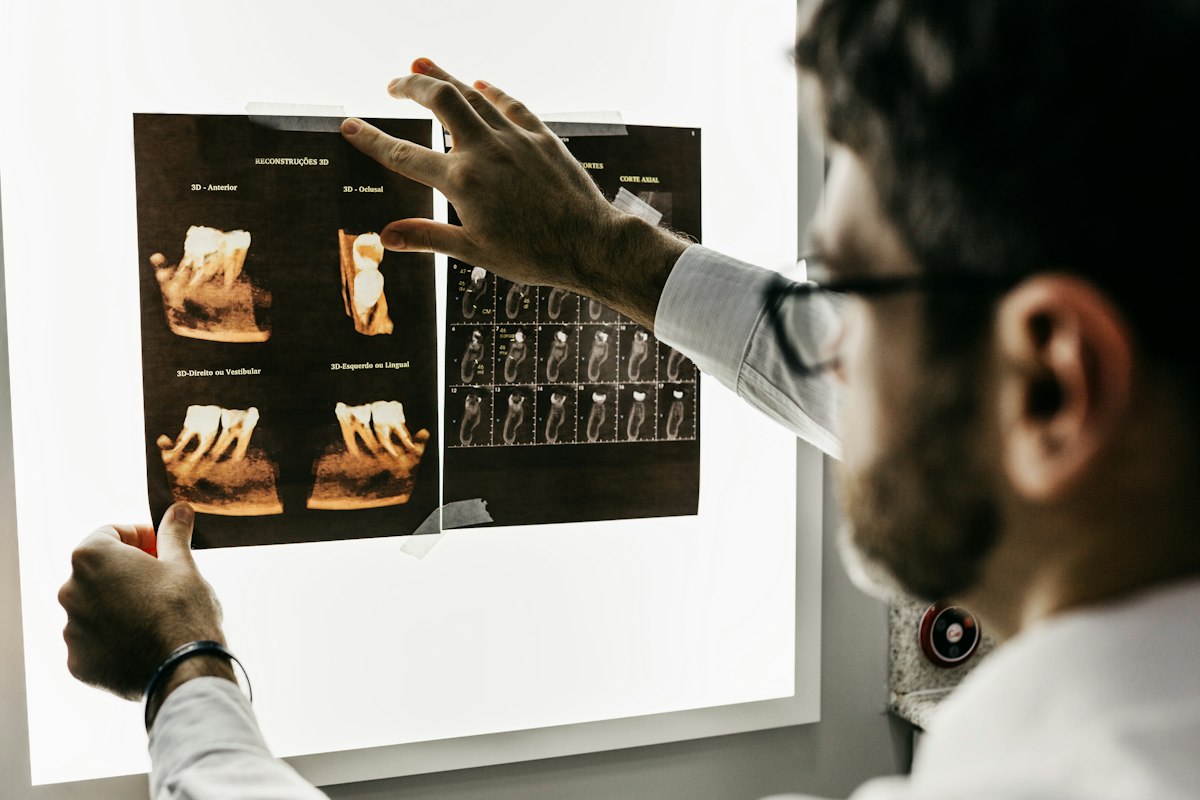
Consider a man in his early forties who noticed a sharp twinge whenever he bit down on one side, but nothing showed up on a casual look in the mirror. An X-ray revealed a hairline crack running through a lower molar with an old, oversized filling — a classic case where the tooth had simply run out of enough natural structure to hold together under normal chewing.
His dentist recommended a monolithic zirconia crown specifically because of the heavy bite force that back tooth absorbs daily. The tooth was prepared and temporarily crowned in one visit, with the final zirconia crown bonded about two weeks later — and the sharp biting pain was gone from the day it was fitted, since the crack was now fully contained and protected under the new crown.
What Does a Zirconia Crown Cost in Oman?
Quotes for zirconia crown cost in Muscat vary more than most first-time patients expect, mainly because "a crown" can mean a straightforward single molar or a full-mouth restoration plan.
- Which tooth is involved — front teeth requiring high-translucency, layered zirconia for a natural look are typically priced differently from back molars prioritizing raw strength
- Whether prep work is needed first — a root canal, gum treatment, or building up a badly broken tooth before the crown adds to the total
- Lab quality and zirconia grade — multi-layered, shade-matched zirconia milled by an experienced lab costs more than a basic single-shade block
- How many crowns you need — many patients combine a crown with other work, and comparing material options is easier alongside our Dental Veneers in Oman: Porcelain vs. Composite guide if you're weighing a crown against a veneer for a specific tooth
| Case Type | Typical Illustrative Range (OMR) | Notes |
|---|---|---|
| Single back-tooth zirconia crown | ~120–180 OMR | Priority is strength over translucency |
| Single front-tooth, layered zirconia crown | ~150–220 OMR | Higher lab cost for shade-matched translucency |
| Crown after root canal | Add ~40–90 OMR | Covers the root canal treatment itself |
| Multiple crowns / bridge cases | Quoted per case | Complexity and lab work scale with unit count |
These figures are illustrative starting ranges, not a fixed price list — treat any number quoted over the phone as a rough estimate only. A dentist quoting a fixed fee without an X-ray and an in-person exam is skipping a step that actually determines the cost.
Why the Cheapest Crown Quote Isn't Always the Best Deal
A noticeably cheap zirconia crown quote is often a sign that a clinic is using a lower-grade, single-shade zirconia block milled off-site by a budget lab, rather than shade-matched, multi-layered material verified against your surrounding teeth. Corners cut here tend to show up later as a crown that looks slightly flat or grey next to natural enamel, or as a poorly fitted margin that traps plaque and shortens the crown's real lifespan — turning a "cheaper" crown into a more expensive one once it needs replacing years earlier than it should.
Want a quote for your specific tooth?
Tell us your case and get a personalized zirconia crown cost estimate.
Who Is a Good Candidate for Zirconia Crowns?
Zirconia crowns work well for most patients needing a crown on any tooth, particularly back teeth under heavy bite force and front teeth where a natural appearance matters. If your main concern is combining durability with a discreet, tooth-colored result, this is generally a stronger long-term choice than metal or PFM within a cosmetic dentistry in Muscat treatment plan.
You may need extra evaluation first if you have active gum disease, insufficient remaining tooth structure to hold a crown securely, or a severe grinding habit — a responsible dentist will address gum health or recommend a nightguard before finalizing crown placement, since fitting a crown over an unstable foundation risks the crown loosening or failing early. If you clench or grind heavily, mention it upfront so your dentist can factor bite protection into the plan. If uneven gum tissue around the tooth is also throwing off the crown's final proportions, ask your dentist whether pairing it with Gum Contouring & Laser Dentistry in Muscat would give the new crown a more balanced, natural-looking gumline to sit against.
✅ Actionable Tips Before Your First Zirconia Crown Consultation
- Ask whether monolithic or layered zirconia is recommended for your specific tooth, and why
- Request to see the shade-matching process against your natural teeth before the crown is milled
- Confirm whether a same-day CAD/CAM crown or a lab-milled crown (requiring a temporary) is being used
- Ask how the crown margin will be checked for a tight fit against your gumline
- Get written aftercare instructions rather than relying on memory once you leave the chair
Not sure if zirconia is right for your tooth?
Tell us a bit about your case and we'll match you with a certified restorative dentist in Muscat.
How to Choose a Clinic for Zirconia Crowns in Muscat
Not every clinic offering "zirconia crowns" is milling from the same lab quality or checking fit the same way. Before you book, it helps to compare providers side by side — our Top 10 Cosmetic Dental Clinics in Oman for 2026 roundup is a useful starting point.
✅ What to Look for in a Certified Provider
- A dentist who explains material grade and lab choice, not just "zirconia" as a blanket term
- Real before-and-after cases of crowns specifically, not only whitening or veneer photos
- Digital scanning or precise impressions used to design the crown, minimizing fit errors
- A gum and bite health check included before any crown work is scheduled
Location matters too if you'd rather not cross town for a follow-up visit — clinics offering cosmetic dentistry in al mouj increasingly include zirconia crown work alongside their broader restorative and cosmetic services, alongside the wider concentration of providers across central Muscat.
🎬 Watch: The Full Zirconia Crowns Guide
Prefer to watch instead of read? This walkthrough covers everything in this guide — the material, the cost factors, and what to expect at a Muscat zirconia crown consultation.
📱 Quick Recap in 60 Seconds
A quick summary if you're short on time.
🌍 What the Research Says About Zirconia Crown Longevity
The strength advantage of zirconia isn't just marketing language — it's been measured in long-term clinical follow-ups. A retrospective study comparing single crowns and fixed dental prostheses over a five-year period, published via the National Center for Biotechnology Information's PubMed Central, found high survival rates and strong clinical performance for zirconium oxide restorations. You can read the full study on long-term survival and clinical performance of zirconium oxide restorations. It's a useful reference if you want the clinical evidence behind why zirconia has become the preferred material for durable crown work.
Aftercare & How to Make Your Zirconia Crown Last
Zirconia crowns are low-maintenance compared to some restorations, but a few habits genuinely extend their working lifespan well past the average.
- Brush and floss around the crown margin exactly as you would a natural tooth — the risk is decay at the edge, not the crown material itself
- Wear a nightguard if you grind or clench, since even zirconia can chip or crack the opposing natural tooth under extreme repeated force
- Avoid using your teeth to open packaging or crack hard shells — a habit that shortens the life of any crown, regardless of material
- Keep up with regular dental checkups so any early sign of a loose margin or bite change is caught before it becomes a bigger problem
- Mention any new sensitivity or a feeling that your bite has shifted promptly, rather than waiting for it to resolve on its own
📚 Frequently Asked Questions
Well-made zirconia crowns commonly last 10 to 15 years or longer with normal care, and monolithic zirconia in particular has shown survival rates above 95% in longer-term clinical follow-ups. Lifespan depends heavily on bite force, grinding habits, and how precisely the crown was fitted.
It depends on how many crowns you need, whether it's a front or back tooth, and whether any prep work like a root canal or gum treatment is needed first. Ask for a written quote after an in-person exam rather than comparing phone-quoted numbers.
Modern translucent, multi-layered zirconia can look very close to natural enamel, especially on molars and premolars. For visible front teeth, ask specifically about high-translucency or layered zirconia, since older bulk monolithic zirconia can look slightly more opaque.
The tooth is numbed before any preparation, so most patients feel pressure rather than pain during the appointment. Mild sensitivity for a few days afterward is normal, especially with a temporary crown in place, and usually settles once the final crown is bonded.
Yes, and it's increasingly the preferred material for front teeth when layered or high-translucency zirconia is used, since it blends more naturally with surrounding enamel than older all-metal or metal-ceramic options.
A veneer covers only the front surface of a tooth and is used mainly for cosmetic reshaping, while a crown like zirconia covers the entire visible tooth and is used when more structure has been lost or the tooth needs more protection, such as after a large filling, crack, or root canal.
Ready to Protect Your Tooth With a Crown Built to Last?
Get matched with a certified restorative dentist in Muscat and find out if a zirconia crown is the right fit for your tooth.
📝 Book Free Consultation Now